
Training With Diabetes: A Safe Exercise Guide
As a corrective exercise and rehab coach in Sarajevo, I work with many clients who live with diabetes or prediabetes. Here is how I help them train safely, improve insulin sensitivity, and protect their health while getting stronger.
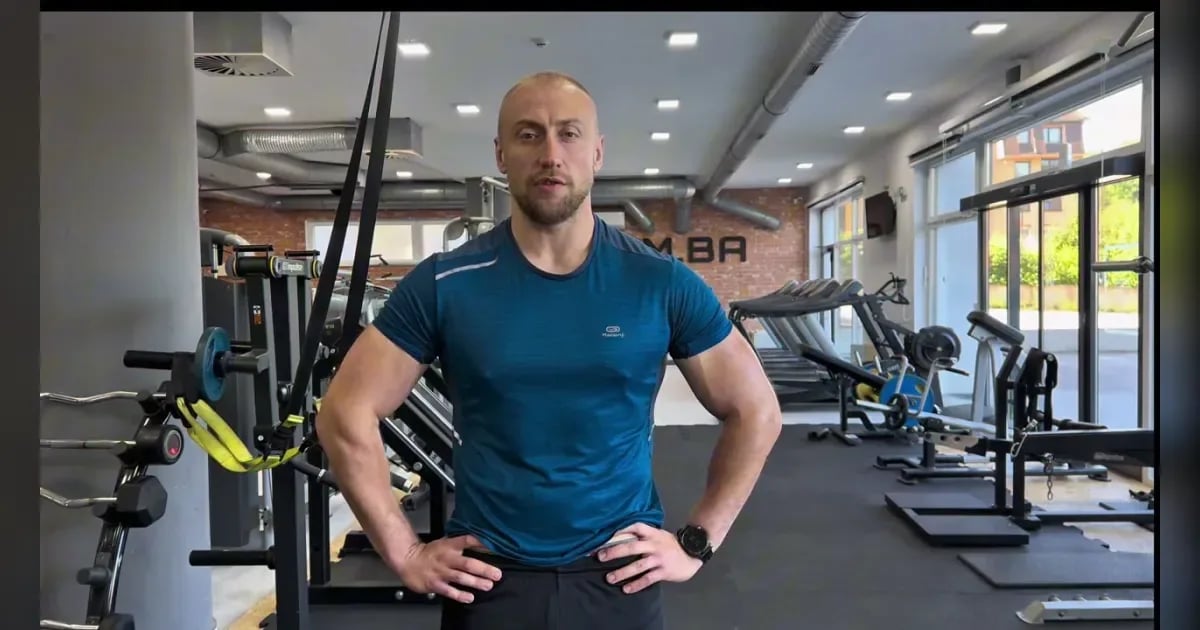
My name is Amir Ferhatović and I coach people in person here in Vogošća, Sarajevo, and online across Bosnia and beyond. A large part of my work is with clients who have chronic conditions: PCOS, insulin resistance, back pain, and diabetes. Over the years I have learned that people with diabetes are often the most motivated clients I have, because they can feel, in their own bodies, how much movement changes their day. This guide is what I tell every new client who walks into my studio with a diabetes diagnosis.
Before we go further: I am a coach, not your doctor. Everything here is general education based on current evidence. It does not replace medical advice. Please talk to your physician or diabetes team before you change your exercise, your medication, or your monitoring. If something in this article contradicts what your doctor told you, follow your doctor.
Why exercise is one of the strongest tools you have
When you contract a muscle, that muscle pulls glucose out of your blood without needing much insulin at all. This is why a single session of training lowers blood sugar, and why a consistent program improves your insulin sensitivity for hours, sometimes more than a day, after you finish. In plain terms: exercise helps your body do the same job with less insulin.
Two types of training matter most, and I use both with my clients:
- Resistance training builds muscle, and more muscle means more storage space for glucose. This is the long game that slowly improves your baseline blood sugar and your body composition.
- Cardio (walking, cycling, swimming, intervals) burns glucose during the session and improves how your heart and blood vessels handle the load. It gives you the fast, day-to-day drop in blood sugar.
The best results come from combining the two. I usually build a week around two to three strength sessions and a regular habit of daily walking, then add intervals when the person is ready. I want to be honest with you: the research on this is consistent and encouraging. Both resistance and aerobic training reliably lower long-term blood sugar markers, and the combination tends to beat either one alone. But the plan on paper only works if you can actually live with it. That is why I always start smaller than most people expect and build from there.
How I structure a safe week
For most of my type 2 and prediabetic clients, a realistic and effective week looks like this:
- Strength: 2 to 3 sessions, covering the whole body, 8 to 12 exercises total across the week. We start light, focus on clean technique, and add load slowly.
- Aerobic movement: aim toward 150 minutes per week of moderate activity. A 20 to 30 minute walk after meals is my favourite tool, because it blunts the blood sugar spike from that meal.
- Recovery: at least one full rest day, good sleep, and easy movement on off days.
We progress gradually. If you have been inactive, we might start with ten minutes of walking and two simple strength movements. Diabetes is a long-term condition, so I train for a program you can keep doing for years, not for two hard weeks that you abandon.
Timing around meals and medication
Timing is where diabetes training becomes personal, and where you must involve your doctor. A few principles I use:
- Walking after meals is one of the safest and most effective habits. A short walk 30 to 60 minutes after eating helps flatten the post-meal glucose rise.
- Medication matters. If you take insulin or a sulfonylurea (medicines that can push your blood sugar too low), exercise can add to that effect and cause hypoglycemia. If you only take metformin or manage with lifestyle, your hypo risk from exercise alone is much lower. Your doctor may adjust doses or timing around training. Never change medication on your own.
- Do not train on an empty tank if you use insulin. Many clients do best with a small amount of carbohydrate available before longer or harder sessions. Your team can tell you your numbers.
Monitoring your blood glucose
What gets measured gets managed. If you have a glucose meter or a continuous glucose monitor, use it around training so you learn how your body responds. A common, sensible approach many diabetes teams suggest:
- Check before you train. If your reading is on the low side, have a small carbohydrate snack first.
- For longer sessions, check during if you feel off.
- Check after and again a few hours later, because blood sugar can keep dropping well after exercise, especially in the evening.
Keep a simple log for the first few weeks: what you did, how long, and your numbers. Bring it to your doctor. This turns guesswork into a plan. Your specific target ranges must come from your medical team, not from an article.
Hypoglycemia: know the warning signs
Low blood sugar (hypoglycemia) is the risk to respect most, especially if you use insulin or certain pills. Learn to recognise it early:
- Shakiness, trembling, or weakness
- Sweating that does not match your effort, or sudden cold clamminess
- Dizziness, confusion, trouble concentrating
- Racing heart, anxiety, or irritability
- Blurred vision or intense hunger
If this happens, stop training immediately. The standard advice most diabetes teams give is to take fast-acting carbohydrate right away (for example glucose tablets, juice, or regular non-diet soda), wait about 15 minutes, and re-check. Repeat if you are still low. Always train with fast carbs within reach. If you ever lose consciousness or cannot treat yourself, that is an emergency and someone must call for help. Please get your own personal hypo plan from your doctor.
A note on type 1 diabetes
Exercise is wonderful and important for people with type 1 as well, but the insulin management is more delicate and more individual. Blood sugar can swing low or, with intense effort, temporarily high. If you have type 1, I will absolutely train you, but only in close coordination with your endocrinologist and your own monitoring plan. Please do not copy a generic program. Your insulin adjustments must be designed with your doctor.
Foot care and other safety details
Diabetes can reduce sensation and circulation in the feet, which means a small blister or rub can turn into a serious problem without you feeling it. So:
- Wear well-fitting, supportive shoes and clean, non-irritating socks.
- Check your feet before and after training for redness, blisters, or cuts.
- Stay hydrated, especially in the heat.
- If you have eye complications (retinopathy), avoid heavy straining and breath-holding until your doctor clears you, as big pressure spikes can be a concern.
- If you have nerve or foot issues, we lean toward lower-impact cardio like cycling or swimming.
When to consult a doctor first
Please get medical clearance before starting or intensifying training if any of these apply to you: you have heart disease or chest pain, very high or very unstable blood sugar, eye or kidney complications, neuropathy, frequent hypos, or you simply have not exercised in a long time. This is not me being cautious for the sake of it. The right green light from your doctor lets us train harder and with more confidence.
Let me help you do this safely
Living with diabetes does not mean training gently and hoping for the best. It means training smart, with structure, monitoring, and a plan built around your body and your medication. That is exactly what I do with my clients every week, and I have seen blood sugar numbers, energy, and confidence transform because of it.
If you are in Sarajevo, come and book an in-person consultation with me in Vogošća and we will build your program together, in coordination with your doctor. If you are anywhere else, start online coaching with me and I will guide your training, monitoring, and progression step by step, and I will always ask you to keep your doctor in the loop as we adjust load. Reach out and let us get you moving, safely and for the long run.
One last thought I share with everyone I coach: consistency beats intensity every single time with this condition. A person who walks after dinner most nights and lifts twice a week for a year will see far better blood sugar than someone who trains like an athlete for three weeks and then stops. You do not need to be perfect. You need to be steady. That is the standard I hold my clients to, and it is the one I will hold for you.
FAQ
- Is it safe to exercise if I have type 2 diabetes?
- For most people with type 2 diabetes, regular exercise is not only safe but one of the most powerful things you can do for blood sugar control. The key is starting gradually, monitoring your glucose, and getting medical clearance first, especially if you have heart, eye, kidney, or nerve complications. I always coordinate a client's program with their doctor.
- Should I check my blood sugar before and after training?
- Yes, especially in the beginning and if you use insulin or medications that can cause lows. Check before to make sure you are not starting too low, and check after, since blood sugar can keep dropping for hours following exercise. Keep a simple log so you and your doctor can see your patterns.
- What should I do if I feel low blood sugar during a workout?
- Stop immediately. The standard guidance most diabetes teams give is to take fast-acting carbohydrate right away, such as glucose tablets or juice, wait about 15 minutes, and re-check. Always keep fast carbs within reach when you train. If you cannot treat yourself or lose consciousness, that is an emergency. Get a personal hypo plan from your doctor.