
Training for Women: Myths and the Truth
The truth about training for women, clearing up the myths of bulking and spot reduction and explaining why strength training is one of the best things you can do.
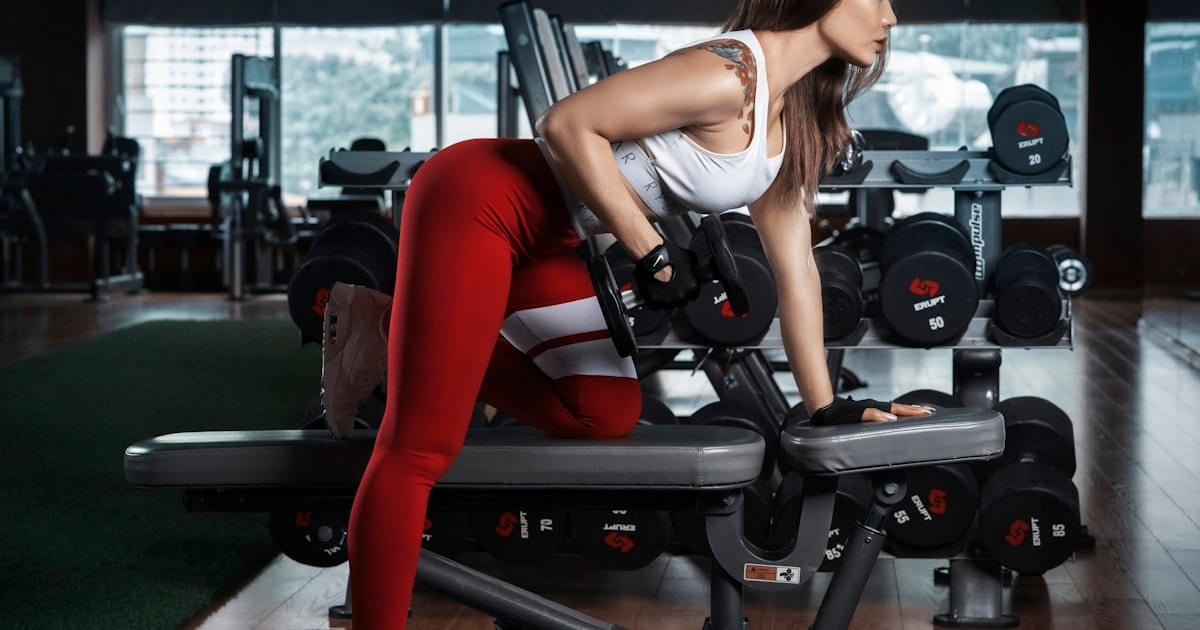
Training for women is surrounded by more myths than almost any topic in fitness, and those myths keep a lot of women from doing the very thing that would help them most. As a coach who trains many women here in Vogošća and Sarajevo, I spend a good part of my job undoing bad advice: the fear of lifting, the endless light cardio, the belief that you can slim one specific body part. Let me set the record straight, because the truth is genuinely good news.
The short version is this: women respond to strength training just as well as men, it will not make you bulky, and it is one of the best investments you can make in how you look, feel and age.
Training for women: the biggest myth of all
The number one fear I hear is that lifting weights will make a woman bulky and masculine. This is simply not how physiology works. Building large amounts of muscle requires high levels of testosterone, and women naturally produce a small fraction of what men do. The muscular female physiques people point to are the result of years of extremely dedicated training, specific eating and often more, not an accident from picking up a dumbbell twice a week.
What strength training actually gives most women is a firmer, stronger, more athletic shape. It builds the toned look people say they want, because tone is simply muscle with less fat over it. You cannot be toned without muscle, and you build muscle by lifting.
The myth of spot reduction
The second myth I have to bust constantly is spot reduction: the idea that doing endless exercises for one area burns the fat off that area. Hundreds of crunches will not flatten your stomach, and inner-thigh machines will not slim your thighs. Fat loss happens across your whole body based on your overall energy balance, and where you lose it first is down to genetics, not the exercise you choose.
This is why the real recipe for a leaner body is the same for everyone: a sensible calorie deficit, enough protein and strength training to keep muscle. I explain that whole process in my guide on how to lose weight and keep it off, and it applies just as much to women as to men.
Why strength training is so good for women
Once we clear away the myths, the benefits of lifting for women are hard to overstate.
- Stronger bones: resistance training increases bone density, which matters enormously for women, who are at higher risk of osteoporosis later in life.
- A faster metabolism: more muscle means you burn more energy at rest, making weight management easier.
- Better body shape: lifting builds the athletic, toned look that endless cardio never quite delivers.
- Confidence: getting genuinely strong changes how you carry yourself, in and out of the gym.
- Hormonal and mood benefits: strength training supports mood, energy and healthier hormonal balance.
What good training for women looks like
There is no separate, watered-down way that women should train. The principles are the same as for anyone: learn the main movement patterns, load them progressively, and be consistent.
Build around the basics
Squats, hip hinges, presses, rows and carries form the backbone of a good program. Hip thrusts and single-leg work are especially popular and effective for building lower-body strength and shape.
Lift with real effort
The two-kilogram pink dumbbells for high reps will not challenge your muscles enough to change them. You need to work with weights that are genuinely hard for the last couple of reps. That is where change happens, and learning to do it safely is where a coach earns their place.
Progress over time
Add a little weight or a rep when you can. Tracking your training turns guesswork into steady, visible progress.
If you are unsure how to start lifting with confidence, this is one of the most rewarding things I help women with. You can see how I work and we can build a plan around your goals.
Training through the menstrual cycle
A common question is whether women should train differently across their cycle. Some women feel stronger and more energetic in the first half of their cycle and a little more fatigued before their period. My advice is simple: train consistently, listen to your body, and adjust intensity on the days you genuinely feel flat rather than skipping training altogether. Consistency across the month matters far more than perfectly timing every session.
Cardio still has a place
None of this means cardio is bad. Walking, running and conditioning are great for your heart, your endurance and your daily calorie burn. The problem is only cardio, with no strength work, because that leaves you smaller but soft and does nothing for your bones or long-term metabolism. The best approach blends strength training with enough movement and steps to support your goals.
Nutrition without the fear
Many women have been taught to eat as little as possible, which backfires. Under-eating, especially on protein, makes it harder to build the shape you want and drains your energy. Eating enough, prioritising protein and fuelling your training will serve you far better than another restrictive diet. Food is fuel, not the enemy.
Recovery, mood and the wider benefits
One of the things I love about coaching women through strength training is how the benefits spill far beyond the gym. Clients regularly tell me they sleep better, feel calmer, and carry themselves with more confidence once they start getting genuinely strong. Lifting is a powerful tool for mental health, releasing tension and giving a real sense of accomplishment that comes from seeing your own numbers climb week after week.
There is also the practical strength that makes daily life easier: carrying shopping, lifting children, moving furniture, all of it becomes less of a struggle. And as the years go by, the muscle and bone you build now become a protective buffer against frailty, falls and injury. Training in your twenties, thirties and forties is an investment in the strong, independent person you want to be in your sixties and beyond. Very few habits pay off across your whole life the way strength training does.
Getting started safely
If all of this has convinced you to begin, start sensibly. Learn the main movements with light weight and good form before chasing heavier loads, add weight gradually, and be consistent rather than heroic. If you are unsure where to begin or you want to avoid the trial and error, working with a coach shortens the learning curve enormously and keeps you safe. This is one of the most common reasons women reach out to me, and helping someone discover how strong they can be is genuinely rewarding work.
What Actually Works in Training for Women
Training for women is not about tiny weights, endless cardio or fear of getting bulky. It is about getting strong, eating enough, and training with real intent. Do that and you will build a body that is capable, healthy and confident. If any of the myths above have been holding you back, let this be the moment you leave them behind, and if you want guidance getting started safely, I am here to help you do it right. For women managing conditions like PCOS, strength training is especially powerful, and I cover that in my article on PCOS and training.
The best results come from training built around your body and your goals, whether that is fat loss, coming back from an injury, or preparing for a test. I coach people in Vogošća and Sarajevo, and online across Bosnia. If you want a plan made specifically for you, see how I work and get in touch.
FAQ
- Will lifting weights make me bulky?
- No. Women produce far less testosterone than men, so building large amounts of muscle is very difficult and never happens by accident. Strength training gives most women a firmer, more toned and athletic shape, not a bulky one.
- Can I target fat loss on my stomach or thighs?
- Spot reduction is a myth. You cannot choose where your body loses fat with specific exercises. Fat loss happens across the whole body through a calorie deficit, and where you lose it first is down to genetics.
- Should I train differently during my period?
- Train consistently and listen to your body. Many women feel stronger in the first half of the cycle and a little more tired before their period. Adjust intensity on genuinely flat days rather than skipping sessions, since consistency across the month matters most.