
Insulin Resistance: Training and Nutrition That Help
A practical guide to training and nutrition for insulin resistance, covering strength and cardio, carbohydrate quality, fiber, protein and the power of consistency.
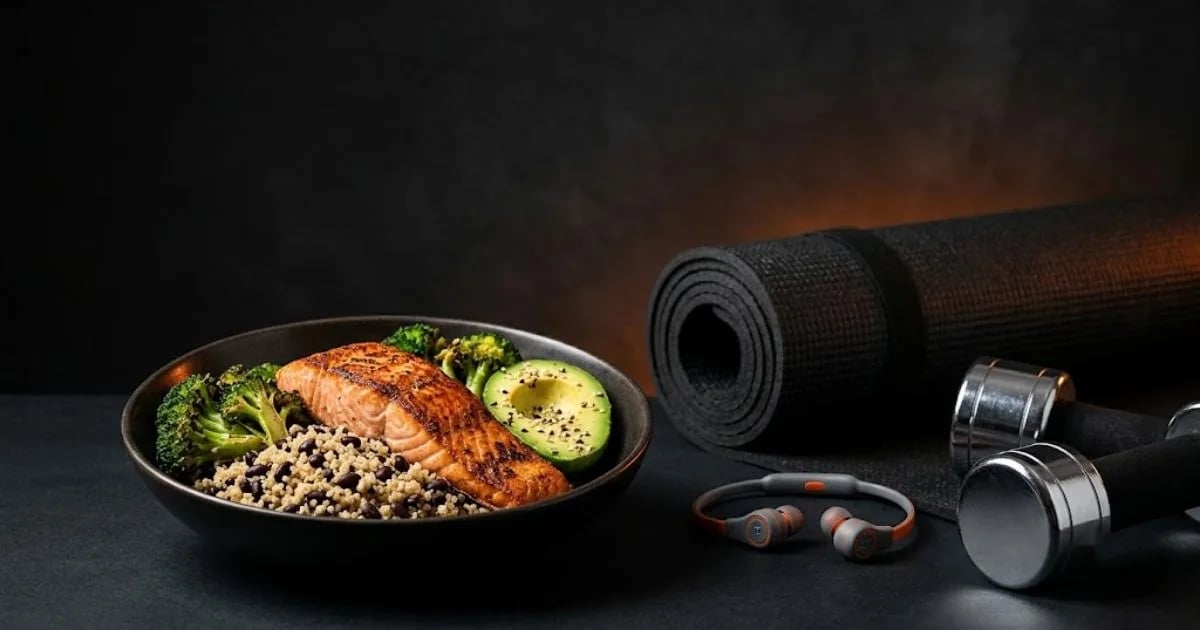
Insulin resistance is one of the most common metabolic issues I encounter with clients, and it is also one of the most responsive to the right training and nutrition. Here in Vogošća and Sarajevo, plenty of people come to me having been told their blood sugar or insulin markers are drifting in the wrong direction, worried and unsure what to do. The encouraging reality is that lifestyle changes are remarkably effective here, often more so than people expect.
An important note first: this article is general education, not medical advice. Insulin resistance and related conditions should be managed with your doctor, and any medication or medical plan comes from them. What I offer is the exercise and nutrition side, which works best alongside proper medical care.
What insulin resistance means
To train and eat well for insulin resistance, it helps to understand it simply. Insulin is the hormone that helps move sugar from your blood into your cells for energy. When you are insulin resistant, your cells respond less well to insulin, so your body has to produce more of it to do the same job. Over time this can lead to higher blood sugar and, if unaddressed, greater risk of type 2 diabetes.
The good news is that your muscles are central to the solution. Active, well-used muscle is far more sensitive to insulin and soaks up blood sugar readily. This is why exercise, and building and using muscle in particular, is one of the most powerful tools we have.
Why strength training helps so much
Strength training is a cornerstone for improving insulin sensitivity, and it works through a couple of mechanisms.
- Using muscle empties its fuel stores, so afterwards it draws sugar out of the blood to refill, improving control.
- Building more muscle increases your body's overall capacity to store and use glucose, like adding more storage tanks.
- It is sustainable and joint-friendly when programmed well, so you can keep doing it for years.
Two or three full-body strength sessions a week, built around squats, hinges, presses and rows, is a genuinely effective prescription. If you are new to lifting, learning to do it safely and progressively is exactly where a coach helps, and it is a big part of what I do. You can see how I work if you want that guidance.
The role of cardio and daily movement
Cardio complements strength work beautifully for insulin resistance. Both steady cardio and shorter, higher-intensity efforts improve how your body handles blood sugar. But you do not need to punish yourself on a treadmill.
Walking is a quiet powerhouse
Daily walking, especially a short walk after meals, has a real, measurable effect on blood sugar. It is easy, sustainable and something almost anyone can build into their day. I often start clients here because it is so achievable.
Mix in some intensity
As fitness allows, a couple of higher-intensity conditioning sessions a week add further benefit. The best cardio is the kind you will actually keep doing, so we build it around your preferences and schedule.
Nutrition for insulin resistance
Food matters enormously here, and the principles are practical rather than extreme. You do not need to fear all carbohydrates or follow a punishing diet. You need to improve the quality of what you eat and manage your overall intake.
Choose better carbohydrates
The type of carbohydrate matters. Whole, fiber-rich carbohydrate sources like vegetables, legumes, whole grains and fruit raise blood sugar more gently than refined, sugary and processed foods. Shifting the balance toward these is one of the highest-impact changes you can make.
Prioritise protein and fiber
Protein and fiber slow digestion and blunt blood sugar spikes, as well as keeping you fuller. Building meals around a protein source and plenty of vegetables is a simple, powerful habit.
- Protein at every meal: eggs, fish, chicken, dairy, legumes.
- Fiber from vegetables, legumes and whole grains at most meals.
- Limit sugary drinks and heavily processed snacks, which spike blood sugar fast.
The overlooked power of losing excess fat
If you are carrying excess body fat, especially around the middle, losing some of it often dramatically improves insulin sensitivity. This does not require an extreme diet, just a moderate, sustainable approach. The principles are the same ones I lay out in my guide on how to lose weight and keep it off, and they apply directly here. Even a modest amount of fat loss can move your markers in the right direction.
Sleep and stress matter too
Two factors people underestimate are sleep and stress. Poor sleep and chronic stress both worsen insulin sensitivity and increase cravings, making everything else harder. Protecting seven to nine hours of sleep and finding ways to manage stress are not soft extras, they are part of the plan. I treat them as seriously as the training itself.
Why consistency wins
If there is one message I want to leave you with, it is that consistency beats intensity every time with insulin resistance. Perfect diets and brutal workouts done for two weeks and then abandoned achieve nothing. Moderate, sustainable habits held for months and years transform your metabolic health. The body rewards the person who keeps showing up. This condition overlaps closely with PCOS, and much of the same approach applies, which I cover in my article on how exercise helps with PCOS.
Building the habit, one step at a time
The advice above can feel like a lot to take on at once, so the practical key is to start small and build. I never ask a new client to overhaul their entire life overnight, because that approach almost always collapses within a couple of weeks. Instead, we pick one or two changes that feel achievable, such as a short walk after dinner and a protein-rich breakfast, and we make those automatic before adding anything else.
This gradual, layered approach works because each small win builds confidence and momentum. Once walking after meals is second nature, we add a couple of strength sessions. Once those are established, we refine the rest of the diet. Over a few months, these stacked habits add up to a genuinely different lifestyle, and crucially it is one you actually maintain. With a condition like insulin resistance, where the payoff comes from years of consistent behaviour rather than weeks of intensity, this is by far the most reliable way to real, lasting improvement.
Working with your doctor and a coach together
The best outcomes I see come when the medical side and the lifestyle side work together. Your doctor monitors your markers and manages any medication, while a coach translates the general advice to eat better and exercise into a concrete, personalised plan that actually happens in your week. Too often people are told to lose weight and get active but given no roadmap for how. Bridging that gap is exactly where good coaching earns its place, and it is a large part of what I do with clients managing metabolic health.
Bringing it together
To improve insulin resistance, lift weights two or three times a week, walk daily and add some cardio, build meals around protein, fiber and better-quality carbohydrates, lose excess fat if you have it, and protect your sleep. Done consistently and alongside your doctor's care, this approach is genuinely powerful. If you want help turning these principles into a plan that fits your life, that is exactly the kind of work I do with my clients, and I would be glad to support you.
The best results come from training built around your body and your goals, whether that is fat loss, coming back from an injury, or preparing for a test. I coach people in Vogošća and Sarajevo, and online across Bosnia. If you want a plan made specifically for you, see how I work and get in touch.
FAQ
- Can exercise really improve insulin resistance?
- Yes, it is one of the most effective tools available. Working your muscles makes them draw sugar out of the blood and use it, and building muscle increases your capacity to handle glucose. Combined with better nutrition, exercise can meaningfully improve insulin sensitivity, always alongside your doctor's care.
- Do I have to avoid all carbohydrates?
- No. The focus is on carbohydrate quality rather than cutting them out entirely. Whole, fiber-rich sources like vegetables, legumes, whole grains and fruit are handled far better than refined and sugary foods. Pairing carbs with protein and fiber also helps blunt blood sugar spikes.
- How quickly will I see improvements?
- Some benefits, such as improved blood sugar after activity, happen quickly, even after a single walk. Deeper changes to insulin sensitivity build over weeks and months of consistent training, nutrition and fat loss. Consistency matters far more than intensity, so aim for habits you can sustain.