
Training With High Blood Pressure: How to Exercise Safely With Hypertension
High blood pressure doesn't mean you can't lift or do cardio. I'll show you how exercise helps, what to avoid, and how to train safely with hypertension.
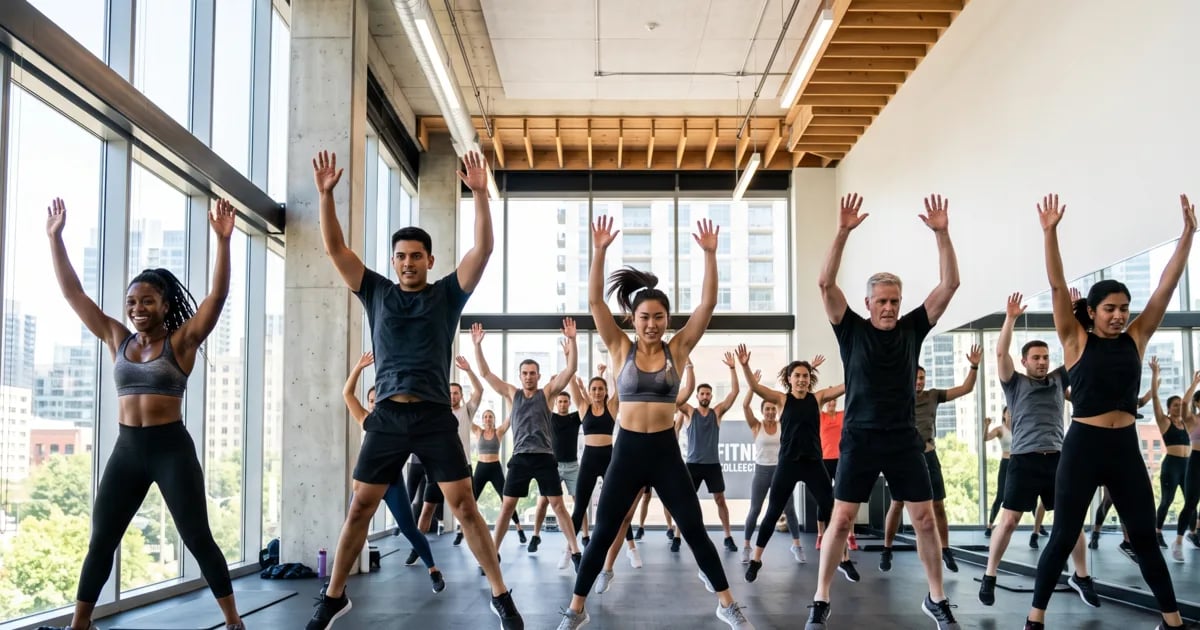
I'm Amir, and I coach people in Sarajevo and Vogošća who want to get fit while managing a health condition. A big part of my work is helping clients with high blood pressure, or hypertension, train safely. Many of them arrive nervous, having heard that exercise is risky for their heart. I understand the worry, but here's the truth I share with them: for most people, the right kind of exercise is one of the best things you can do for high blood pressure. The trick is knowing how to train, and what to avoid.
Let me walk you through how I approach it, so you can move with confidence instead of fear.
How exercise actually helps your blood pressure
High blood pressure means your heart is working against too much resistance in your vessels over time, which strains the whole cardiovascular system. Regular exercise attacks this problem from several directions at once.
Aerobic activity, like brisk walking, cycling, or light jogging, makes your heart more efficient so it pumps the same blood with less effort, which lowers pressure. It also improves the flexibility of your blood vessels and helps them relax. Strength training, done sensibly, improves your body composition, insulin sensitivity, and overall fitness, all of which support healthier pressure. The research here is strong and consistent: people who move regularly tend to see meaningful drops in blood pressure over weeks and months.
What I love telling my clients is that the effect is real and often noticeable. This isn't wishful thinking; it's one of the most reliable tools we have.
What to avoid, and why it matters
This is the part I take most seriously, because a few specific things can spike blood pressure dangerously in the moment. With hypertensive clients I firmly avoid:
- Breath-holding, the Valsalva maneuver. Holding your breath and bearing down under load causes a sharp, temporary surge in blood pressure. I coach steady breathing on every rep, exhaling through the hard part.
- Very heavy, near-maximal lifts. Grinding out a one-rep max drives pressure sky high. We stay in moderate ranges with reps in reserve, never training to failure.
- Sudden all-out intense efforts without a proper warm-up, which shock the system.
- Heavy overhead work and long isometric holds in the early stages, which can raise pressure more than most movements.
None of this means you can't get strong. It means we get strong in a controlled, pressure-friendly way.
How I program training for hypertension
My approach is calm, gradual, and consistent. Here's the shape of it.
Cardio is the foundation. I aim to build my clients up toward roughly 150 minutes of moderate aerobic activity per week, spread across several sessions. In Sarajevo that might be brisk walks along the river, gentle cycling, or the endless gentle hills of Vogošća. Moderate means you can talk but not sing. We start lower and build up patiently.
Strength work is moderate and controlled. Two or three sessions a week, using machines and lighter free weights, in the range of about ten to fifteen reps with a couple of reps left in the tank. Controlled tempo, smooth breathing, and comfortable loads. We train the whole body but never grind.
Warm-ups and cool-downs are non-negotiable. I always start with five to ten minutes of easy movement to let the cardiovascular system ramp up gradually, and I finish with a gentle cool-down rather than stopping abruptly, since sudden stops can drop pressure and cause dizziness.
We progress slowly. With blood pressure, patience isn't just polite, it's protective. Small, steady increases keep you safe and still deliver results.
Monitoring and listening to your body
If your doctor recommends it, checking your blood pressure before sessions is a smart habit, especially early on. It teaches you how your body responds and flags days when you should go lighter.
Just as important is learning the warning signs to stop immediately: chest pain or pressure, unusual shortness of breath, dizziness, a pounding or irregular heartbeat, or blurred vision. If any of these appear, we stop and, when needed, seek medical help. I teach every client the rate of perceived exertion, a simple zero-to-ten effort scale, so they can keep intensity in a safe, moderate zone without guesswork.
Working with your doctor, not around them
Here's something I won't budge on: exercise works alongside your medical care, never instead of it. Never stop or change your blood pressure medication on your own because you've started training. Exercise can lower your pressure, and over time your doctor may adjust your treatment, but that decision is theirs alone.
Before we start, I want my hypertensive clients to have clearance from their physician, and I coach happily within whatever limits they set. This article is education, not medical advice, and it doesn't replace your doctor. That partnership between sensible training and good medical care is where the magic happens.
Let's train safely and get you strong
High blood pressure is not a reason to sit on the sidelines. Done right, exercise is one of the most powerful, safe, and rewarding things you can do for it. If you're in Sarajevo or Vogošća and hypertension has made you cautious about training, let's work together. We'll get your doctor's blessing, build a calm and effective plan, and get you moving with confidence. Message me and let's start, safely and smartly.
FAQ
- Is it safe to lift weights with high blood pressure?
- For most people with well-controlled hypertension, moderate strength training is not only safe but genuinely beneficial. The key is avoiding breath-holding, very heavy maximal lifts, and pushing to complete failure, which can spike pressure sharply. I keep my clients in a moderate rep range with controlled breathing and comfortable loads. If your blood pressure is very high or uncontrolled, get clearance from your doctor before starting.
- What is the Valsalva maneuver and why should I avoid it?
- The Valsalva maneuver is holding your breath and bearing down while lifting, which many people do instinctively under heavy load. It temporarily but dramatically raises blood pressure, which is exactly what someone with hypertension wants to avoid. Instead, I coach clients to exhale during the hard part of the lift and breathe steadily throughout. This one habit makes strength training far safer for you.
- Which is better for blood pressure, cardio or weights?
- Both help, and the best results usually come from combining them. Aerobic cardio like brisk walking or cycling has strong, well-documented effects on lowering blood pressure over time. Strength training adds its own benefits and improves overall health and body composition. In my Sarajevo programs I blend both, with cardio as the foundation and moderate strength work built around it.
- Should I check my blood pressure before every workout?
- If your doctor has advised monitoring, then yes, checking before and sometimes after sessions is a smart habit, especially early on. It helps you learn how your body responds to exercise and catch days when you should take it easy. As a general rule, if your resting pressure is unusually high on a given day, that's a signal to keep the session light or skip it. Always follow the specific guidance your doctor gives you.
- Can exercise replace my blood pressure medication?
- No, and this is important. Exercise is a powerful tool that can lower blood pressure and, over time, sometimes reduce the medication a doctor decides you need, but that decision belongs entirely to your physician. Never stop or change medication on your own because you started training. This article is education, not medical advice, and I always coach in coordination with what your doctor prescribes.