
Weight Loss in Sarajevo: How to Lose Weight for Good
An honest guide to weight loss, covering the calorie deficit, protein, steps, strength training and the sustainable habits that keep the weight off for good.
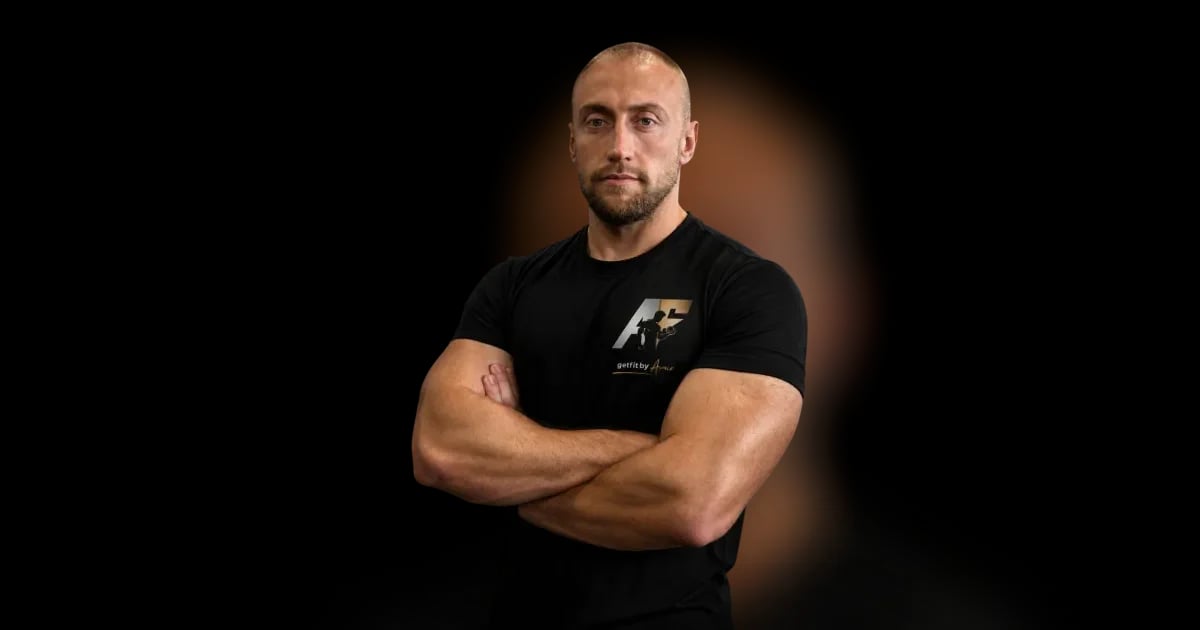
Real weight loss is not complicated, but it is often made to sound that way so someone can sell you a shortcut. As a personal trainer working in Vogošća and Sarajevo, I have helped many people lose fat and, just as importantly, keep it off. The difference between the people who succeed and those who bounce back is almost never willpower. It is whether they built habits they can actually sustain instead of chasing a punishing quick fix.
In this guide I will lay out exactly what drives fat loss, in the order that matters, and how to make it stick long after the initial motivation fades.
Weight loss starts with a calorie deficit
Every method that works for fat loss works for one reason: it puts you in a calorie deficit, meaning you take in less energy than you burn. Keto, fasting, cutting carbs, cutting sugar, whatever the label, they all come back to this. Understanding that frees you from diet dogma, because it means there is no single magic food or forbidden food. There is only your overall balance of energy in versus energy out.
A sensible deficit is a moderate one. Aiming to lose roughly half a kilogram to one kilogram per week protects your muscle and your sanity. Crash diets strip away muscle, wreck your energy, and set you up for the rebound almost everyone experiences after aggressive dieting.
Protein is your most important food
If you change one thing about how you eat, make it protein. Eating enough protein while losing weight does two crucial things: it keeps you fuller, so the deficit feels easier, and it protects your muscle so that the weight you lose is fat rather than hard-earned tissue.
A practical target is around 1.6 to 2.2 grams of protein per kilogram of bodyweight per day. Build every meal around a protein source and the rest of your diet tends to fall into place.
- Good sources: eggs, chicken, fish, lean beef, dairy, yoghurt, legumes.
- Spread it out: aim for a solid dose of protein at each main meal rather than all at once.
- Prioritise it: fill your plate with protein and vegetables first, then add the rest.
Steps and daily movement
People obsess over the gym and ignore the biggest driver of daily calorie burn: general movement. Your daily steps, walking, taking the stairs, moving around the house, add up to far more energy than a single workout. This is why I ask clients to track their steps and gradually build toward a target that fits their life, often somewhere between 8,000 and 10,000 a day.
Walking is underrated because it is easy, it does not add training fatigue, and it is sustainable for decades. When fat loss stalls, more often than not the answer is not more brutal cardio. It is a small drop in food and a few thousand more steps.
Why strength training belongs in a fat loss plan
Many people think cardio is the tool for losing weight and strength training is only for building muscle. That is a mistake. Lifting weights while in a deficit tells your body to hold onto its muscle, which keeps your metabolism higher and shapes the body you actually want to see when the fat comes off.
You do not need anything elaborate. Two or three full-body strength sessions a week built around squats, hinges, presses and rows will do the job. If you are new to lifting, this is exactly where a coach helps most, and it is one of the first things I set up with fat-loss clients. You can see how I work if you want that structure built for you.
Building habits that actually last
The reason most diets fail is that they end. You white-knuckle through a few weeks of misery, hit a goal or give up, and drift back to old habits. Lasting weight loss comes from changing your defaults, not from heroic short-term effort.
Start small and stack wins
Pick one or two habits and make them automatic before adding more. Maybe it is a protein-rich breakfast and a daily walk. Once those are second nature, add the next thing.
Make your environment easy
Keep easy protein and vegetables in the house and keep tempting snacks out of easy reach. Willpower is unreliable, but environment quietly shapes your choices all day.
Aim for consistency, not perfection
One off meal does not undo your progress any more than one salad creates it. What matters is what you do most of the time, across weeks and months.
Managing sleep and stress
Two things quietly sabotage fat loss: poor sleep and chronic stress. When you are short on sleep, hunger hormones shift and cravings rise, making the deficit far harder to hold. High stress does something similar. I treat sleep as part of the plan, not an afterthought, because seven to nine hours makes every other habit easier to maintain.
What to expect and how to stay patient
Fat loss is not linear. The scale will jump around from day to day because of water, food in your gut and hormones. This is normal and it is why I ask clients to look at the weekly trend, not a single morning's number. Progress photos, how your clothes fit and your strength in the gym are often better guides than the scale alone.
Expect steady progress over months, not a dramatic change in a fortnight. The people who lose weight and keep it off are the ones who stop looking for the finish line and start seeing this as their new normal way of living. If a condition like insulin resistance or PCOS is part of your picture, the principles still apply but the details shift, and support from a coach becomes even more valuable.
Why quick fixes fail
It is worth understanding why the extreme approaches you see everywhere let people down, because avoiding that trap is half the battle. Detoxes, juice cleanses, fat-burner pills and severe crash diets all promise fast results, and some do produce a rapid drop on the scale. The problem is what that drop is made of and what happens next. Very aggressive dieting sheds water and muscle alongside fat, slows your metabolism, and leaves you hungry, tired and irritable. Almost nobody can sustain that state, so they quit, and the weight returns, often with a little extra.
This cycle of losing and regaining is discouraging and, over years, harmful. The way out is to reject the idea of a temporary diet altogether. Instead of asking what you can endure for six weeks, ask what you can happily keep doing for six years. That single shift in mindset is the strongest predictor of who keeps the weight off, and it is a big part of what I coach my clients toward.
Putting it together
To lose weight and keep it off, eat in a moderate calorie deficit, prioritise protein, walk more, lift weights two or three times a week, sleep well, and build habits you can hold for life. It is simple, but simple is not the same as easy, and this is where good coaching pays for itself. If you want a plan and someone in your corner keeping you accountable, that is exactly what I do with my clients here in Sarajevo and online. Curious how a coach fits into all this? My guide on choosing a personal trainer walks through it.
The best results come from training built around your body and your goals, whether that is fat loss, coming back from an injury, or preparing for a test. I coach people in Vogošća and Sarajevo, and online across Bosnia. If you want a plan made specifically for you, see how I work and get in touch.
FAQ
- How fast should I lose weight?
- A moderate pace of roughly half a kilogram to one kilogram per week is ideal. It protects your muscle and energy, and it is far more sustainable than crash dieting, which usually leads to regaining the weight. Slow and steady genuinely wins here.
- Do I need to do cardio to lose weight?
- Not necessarily. A calorie deficit drives fat loss, and daily steps often burn more than a single cardio session while adding less fatigue. Strength training is also important because it protects muscle. Cardio can help, but it is not the main lever.
- Why does the scale go up even when I am eating well?
- Daily weight fluctuates due to water, food in your gut, salt and hormones, so a single reading tells you little. Look at the weekly average trend instead, and use photos, how clothes fit and gym strength as extra guides.