
Personal Trainer in Sarajevo & Vogošća: How to Choose
A practical guide to choosing a personal trainer in Sarajevo and Vogošća, covering what to look for, the right questions to ask, and in-person versus online coaching.
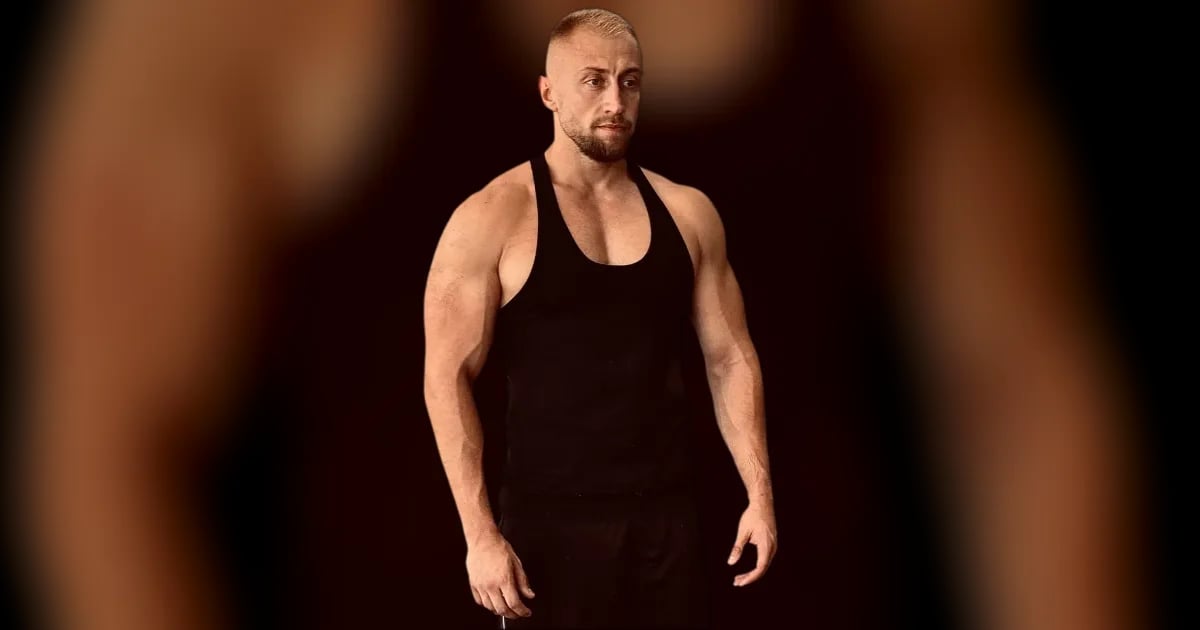
Choosing a personal trainer in Sarajevo or Vogošća is one of the most important decisions you will make for your health, and it is worth getting right. I train people every week here in Vogošća and across the Sarajevo area, and I have seen how much difference the right coach makes compared to signing up with the first name you find. In my work the goal is never to sell you a package. It is to build something that fits your body, your schedule and your life so that the results actually last.
In this article I want to walk you through how to pick a coach honestly, what separates good coaching from a wasted membership, and how to decide between training in person and training online.
Why choosing the right personal trainer in Sarajevo matters
A good trainer does far more than count your reps. They screen how you move, spot the weak links that lead to injury, build a plan that progresses week to week, and hold you accountable when motivation dips. A poor one hands you a generic program and watches you go through the motions. The gap between those two experiences is the gap between reaching your goal and quitting after two months.
This matters even more if you have a specific need. Fat loss, coming back from a herniated disc, preparing for a police or military fitness test, or training around a condition like PCOS or insulin resistance all require a coach who understands the details. General advice will only take you so far.
What to look for in a coach
When people ask me what to look for, I tell them to judge a trainer on a few concrete things rather than on how they look or how loud their marketing is.
Real assessment before any program
A trainer worth your money will assess you first. That means asking about your history, injuries, sleep, stress and goals, and watching how you actually move before writing a single exercise. If someone hands you a plan before they understand your body, that is a warning sign.
Individualisation, not copy-paste
Your program should look different from the person next to you because your body and life are different. I never give two clients the same plan. A young athlete, a mother returning to training and a man rehabbing his back all need very different approaches.
Clear progression
Good training gets gradually harder in a controlled way. Ask a potential coach how they decide when to add weight, reps or difficulty. If they cannot answer clearly, they are guessing.
- Communication: can you reach them between sessions with questions?
- Education: do they explain why you are doing something, so you become more independent over time?
- Honesty: do they set realistic timelines instead of promising a dramatic transformation in four weeks?
Questions worth asking before you commit
Before you pay for anything, have a proper conversation. I always encourage people to interview a coach, and I am happy to be interviewed myself. A few questions cut through the noise quickly.
- How will you tailor this to my injuries and my schedule?
- How do you track progress, and what happens if I stall?
- Have you worked with my specific goal before, whether that is back pain, fat loss or a fitness test?
- What do you expect from me in terms of consistency?
The answers tell you whether you are talking to a professional or a salesperson. If you want to see how I approach these questions, you can see how I work and decide for yourself.
In-person training in Vogošća and Sarajevo
Training in person has clear advantages, especially at the start. I can correct your technique in real time, adjust load on the spot, and read your energy in a way no message can. For beginners, for anyone rehabbing an injury, and for people who need the accountability of a scheduled session, in-person coaching is hard to beat.
Being local also matters. Working with someone based here in Vogošća means your training fits the reality of getting to a session before or after work, not an idealised schedule. I also run group training here, which is a great option if you prefer the energy and lower cost of training alongside others.
Online coaching across Bosnia
Online coaching has grown for good reasons. It gives you a fully individual program, video technique reviews, and regular check-ins without being tied to one location. For people with busy or unpredictable schedules, or those who live outside Sarajevo, it can be the more practical choice.
Online works best when you already have some training experience, or when you are motivated and willing to film your lifts so I can give feedback. It costs less than one-to-one sessions and still gives you a genuine plan rather than a template. Many of my clients start in person to build technique, then move online once they are confident.
In-person vs online: which is right for you
There is no single answer, only the right fit for your situation. Here is how I usually guide people.
- Choose in-person if you are new to training, recovering from injury, or you know you need the accountability of a booked session.
- Choose online if you have some experience, a tight or shifting schedule, or you live away from Vogošća and Sarajevo but still want a real coach.
- Consider a mix: start in person to master the basics, then transition to online as you gain confidence.
Whatever you choose, the fundamentals of good coaching stay the same. Once your training is in place, nutrition becomes the next lever, and I cover that in detail in my guide on how to lose weight and keep it off.
Red flags to avoid
A few things should make you walk away. Be wary of anyone who promises extreme results in an unrealistic time, pushes supplements as the main solution, ignores your injuries, or cannot explain their reasoning. Training is a craft built on principles, not gimmicks, and a trustworthy coach will always put your long-term health ahead of a quick sale.
What working together usually looks like
People often ask what actually happens once they start with a coach, so let me demystify it. The first session is mostly assessment: a proper conversation about your history, injuries, sleep, stress and goals, followed by watching how you move through a few basic patterns. From there I build a plan that matches your level and schedule, and we start with movements you can perform well rather than throwing you into the deep end.
Over the following weeks we progress that plan gradually, adding load or difficulty as your technique and confidence grow. Between sessions I stay reachable for questions, and I adjust things based on how you are recovering and what your life throws at you. Good coaching is a two-way relationship, not a set of orders. The more honestly you communicate about your energy, your soreness and your obstacles, the better I can tailor the work to you. That feedback loop is what turns a generic routine into a program that genuinely fits your body and keeps you progressing month after month.
How to take the first step
Start with a conversation. Reach out, describe your goal honestly, and ask the questions above. A good coach will listen more than they talk in that first exchange, and you will get a clear sense of whether you can work together. The relationship between a client and trainer is built on trust, and that trust starts before the first session. If you are in the Sarajevo area and want a plan built specifically around you, I would be glad to help you get started.
The best results come from training built around your body and your goals, whether that is fat loss, coming back from an injury, or preparing for a test. I coach people in Vogošća and Sarajevo, and online across Bosnia. If you want a plan made specifically for you, see how I work and get in touch.
FAQ
- How much does a personal trainer in Sarajevo cost?
- Prices vary with format and frequency. One-to-one in-person sessions cost more than group training or online coaching, which is often the more affordable option. The right choice depends on your goal, schedule and how much guidance you need, so it is worth discussing before you commit.
- Is online personal training as effective as in-person?
- For the right person, yes. Online coaching gives you an individual program, video technique feedback and regular check-ins. It works best if you have some experience or are willing to film your lifts. Beginners often benefit from starting in person and moving online later.
- How do I know if a personal trainer is any good?
- Look for a proper assessment before any program, individualised plans rather than templates, clear progression, and honest timelines. A good coach explains why you are doing each exercise and communicates well between sessions.